What Is Non-Emergency Medical Transportation?
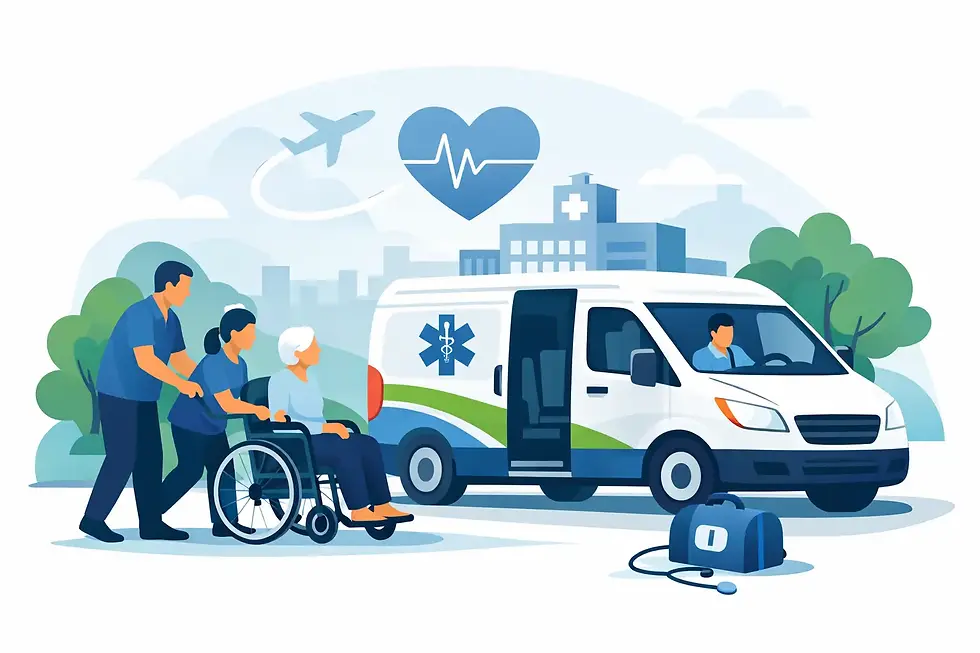
A missed appointment can mean more than a scheduling headache. For many older adults, wheelchair users, and families managing ongoing care, the real challenge is getting there safely, comfortably, and on time. That is where the answer to what is non-emergency medical transportation becomes practical, not just technical.
Non-emergency medical transportation, often called NEMT, is transportation for people who need help getting to medical appointments or other essential destinations but do not need an ambulance. It fills the gap between a basic rideshare and emergency transport. The focus is not just the ride itself. It is the support, safety, and peace of mind that come with a service designed for passengers who may need mobility assistance, extra time, and trained hands from door to door.
What is non-emergency medical transportation used for?
NEMT is used when a person is medically stable but cannot safely manage a standard car ride without assistance. That might mean a senior who uses a walker, a patient recovering from surgery, someone who uses a wheelchair, or a family member who needs help getting a loved one from the home to the doctor’s office.
These rides often include trips to dialysis, physical therapy, specialist visits, outpatient procedures, hospital discharges, imaging appointments, and recurring medical care. In some cases, transportation is also needed for pharmacy stops, rehabilitation centers, or other essential destinations tied to a person’s health and daily well-being.
The key distinction is that the passenger does not need emergency medical intervention during transport. They do, however, need more support than a taxi, friend, or app-based driver can reasonably provide.
How NEMT is different from a regular ride
A standard ride service is built to get someone from one address to another. Non-emergency medical transportation is built around the passenger.
That difference matters when mobility, balance, cognition, or recovery is involved. A person may need a vehicle that can accommodate a wheelchair. They may need help stepping down from a doorway, getting settled securely, or being escorted all the way into a clinic lobby. They may need a driver who understands how to move at the passenger’s pace, communicate calmly, and handle the ride with patience.
This is why door-to-door service is so valuable. Curbside pickup may work for a healthy adult. It is often not enough for someone who tires easily, has limited mobility, or feels anxious traveling alone.
Who benefits from non-emergency medical transportation?
NEMT serves a wide range of people, but the common thread is simple: the passenger needs safe, assisted transportation without ambulance-level care.
Older adults are one of the most common groups using these services, especially when driving is no longer a safe option. People with temporary injuries also benefit, including those recovering from joint replacement, a fall, or a hospital stay. Wheelchair users often rely on NEMT because an accessible van and securement equipment are necessary for safe travel.
Families also benefit. If you are coordinating care for a parent, spouse, or child with special needs, transportation can become one of the hardest parts of the schedule. Reliable NEMT reduces that strain. It allows family members to know their loved one is not just being picked up, but actually being assisted, monitored, and treated with respect along the way.
Discharge planners and care coordinators often look for this same reliability. A medically stable patient may not qualify for an ambulance, but sending that person home in a regular sedan may not be appropriate either. NEMT helps bridge that gap.
Types of non-emergency medical transportation
Not all NEMT looks the same. The right level of service depends on the passenger’s condition, mobility, and comfort needs.
Ambulatory transport is for passengers who can walk, with or without some assistance, but should not be managing transportation alone. They may use a cane or walker, move slowly, or need an arm for support from the door to the vehicle.
Wheelchair transport is for passengers who remain seated in a wheelchair during the trip. This requires an accessible vehicle, proper securement systems, and a driver trained to load, unload, and transport the passenger safely.
There are also situations where a passenger cannot tolerate a standard seated ride but does not require an ambulance stretcher. A specialized transport chair can be a helpful alternative in those cases, offering more reclined support and comfort for passengers with weakness, pain, or limited tolerance for upright travel.
This is where details matter. Two people may both say they need “medical transportation,” but one may only need a steady arm while another needs wheelchair access and a more supportive seating solution. A good provider helps determine the right fit before the ride is booked.
What to expect from a quality NEMT provider
When families ask what is non-emergency medical transportation, they are often really asking a second question: what should this service include?
At a minimum, the service should feel dependable and appropriate for the passenger’s needs. That means trained and vetted chauffeurs, clean accessible vehicles, punctual arrival, and clear communication. It also means the passenger should not feel rushed or handled like a delivery.
A quality NEMT provider typically offers door-to-door assistance, help entering and exiting the vehicle, and careful attention to comfort during the ride. Safety training is another important piece. CPR and AED certification, ADA awareness, secure wheelchair procedures, and background screening all add up to a service families can trust.
Private-pay providers can also offer an advantage in flexibility and transparency. Instead of navigating insurance approvals or broad service windows, families often prefer to know the cost upfront and schedule the ride they actually need.
When NEMT is the right choice and when it is not
NEMT is the right choice when a passenger is stable but still needs support. That includes many routine appointments, planned procedures, follow-up care visits, and discharges where the person needs help but not active medical treatment during transport.
It is not the right choice in an emergency. If a person is having chest pain, severe breathing difficulty, signs of stroke, uncontrolled bleeding, or any condition that may require immediate clinical intervention, emergency services are the correct response.
There are also gray areas. A patient may not be in immediate danger but may still need a higher level of transport because of oxygen needs, medical monitoring, or inability to tolerate movement. That is why it helps to speak with a transportation provider that understands the difference rather than guessing based on price alone.
Questions families should ask before booking
The best transportation choice usually comes down to specifics. Can the passenger walk safely? Do they need wheelchair access? Will they need help from inside the home to inside the destination? Can they tolerate a regular seated ride, or do they need more supportive positioning?
It is also smart to ask who will be driving, what training they have, whether the vehicle is wheelchair accessible, and how the company handles delays, cancellations, or return trips. For a vulnerable passenger, these are not small details. They are the details that shape the entire experience.
For families in Orange County and Los Angeles County, a local provider can offer another advantage: familiarity with the area, realistic scheduling, and a more personal standard of service. CaringMiles is built around that kind of transportation experience, with private-pay rides that prioritize comfort, dignity, and hands-on assistance instead of basic curbside pickup.
Why this service matters more than people realize
Transportation affects health outcomes in ways that are easy to overlook. If getting to care feels stressful, physically difficult, or unreliable, people delay visits. They skip follow-ups. They miss therapy sessions or struggle to keep recurring treatments on track.
The right transportation support removes one of the biggest barriers to care. Just as important, it preserves dignity. A passenger who needs extra time, physical assistance, or a wheelchair should not have to feel like a burden to get to an appointment.
That is the value of non-emergency medical transportation at its best. It gives people a safe, respectful way to keep moving through the care they need, with comfort and confidence built into every mile.
If you are arranging a ride for yourself or someone you love, the goal is not simply getting from point A to point B. It is making sure the person arrives feeling supported, secure, and cared for.


Comments